Key Takeaways
- Heavy rain can drive insects and rodents from wet hiding places toward dry, protected areas around a Texas home.
- Standing water, clogged gutters, damp mulch, and yard debris can support pest activity after a storm.
- A quick exterior inspection can reveal torn screens, gaps, leaks, and storm damage before pests move indoors.
- Removing moisture and shelter is usually more effective than spraying every insect that appears.
- Repeated sightings, rodent evidence, wood damage, or large nests are reasons to consider an inspection.
Texas storms can change a yard quickly. One afternoon of hard rain may leave water in planters, toys, gutters, low spots, and folded tarps. It can also soak mulch, disturb insect nests, and expose small openings around doors, garages, rooflines, and utility penetrations. For homeowners who need help interpreting persistent activity, Romney Pest Control provides residential and commercial pest services, termite treatments, and pest education across major Texas markets including Dallas-Fort Worth, Austin, San Antonio, and Houston. A local provider familiar with the region’s common ants, mosquitoes, rodents, roaches, spiders, and termite concerns can be useful when basic cleanup does not stop a recurring problem.
Why Rain Changes Pest Activity
Rain does not automatically create an infestation, but it can change where pests travel and rest. Waterlogged soil may disrupt ants and other ground-dwelling insects. Damp conditions also make garages, sheds, crawl spaces, leaf piles, and stacked materials more attractive as protected shelter. Once the weather warms, many insects become more active, and moisture can contribute to that activity. Texas A&M AgriLife Extension notes that temperature and moisture affect seasonal pest activity, making routine inspection especially useful after changing weather. Rain also creates temporary water-holding sites. A few insects near a window or patio may be a short-term response to weather, not proof that pests are established inside. The important question is whether the activity continues, spreads, or appears alongside damage or moisture problems.
Pests Homeowners May Notice After a Storm
Mosquitoes
Mosquitoes can develop around water that remains in containers and sheltered outdoor items. Check flowerpot saucers, grill covers, birdbaths, buckets, toys, tire swings, pool covers, and clogged gutters. The CDC recommends that households regularly empty, scrub, turn over, cover, or discard items that collect water as part of mosquito control at home. Use repellent and protective clothing when spending time outdoors, particularly when mosquitoes are active.
Ants, Roaches, and Spiders
Ants may appear in trails near doors, window frames, plumbing lines, and foundation cracks after their soil or nest area is disturbed. Roaches and spiders are more likely to persist where moisture, clutter, and hiding spaces remain available. Reduce dampness in garages and storage areas, remove leaf litter and unnecessary cardboard, and avoid leaving materials pressed against exterior walls.
Rodents, Termites, and Swarming Insects
Storm damage can open routes near vents, garage corners, roof edges, and utility lines. Look for droppings, gnaw marks, scratching noises, or disturbed food containers. Flying insects after rain are not always termites, so avoid guessing. Take a clear photo and note where they appeared. Discarded wings, mud tubes, soft wood, or recurring swarms deserve closer attention.
The First-Day Post-Storm Checklist
- Wait until conditions are safe. Stay away from floodwater, damaged trees, and downed wires.
- Walk the perimeter. Check foundation walls, doors, screens, vents, garage edges, and visible roofline areas.
- Empty small containers. Turn over pots, bins, toys, and outdoor furniture that can trap water.
- Check drainage. Look for overflowing gutters, blocked downspouts, and puddles near the foundation.
- Inspect barriers. Note torn screens, missing weather stripping, loose door sweeps, and gaps around pipes.
- Move wet materials. Keep firewood, cardboard, yard waste, and stacked supplies off the ground and away from walls.
- Document unusual signs. Photograph nests, trails, droppings, damaged wood, or recurring insect groups.
How to Remove Water and Moisture Sources
Start with the smallest water sources. Empty containers after storms, correct dripping outdoor faucets, and repair leaking hoses or irrigation components. Make sure downspouts direct water away from the foundation where practical. Trim dense plants that touch siding, and keep mulch and leaf litter from building up against the home. These steps reduce dampness in the shelter while also making exterior inspection easier.
How to Seal Common Entry Points
Pest prevention works best when the house is treated as a connected system. A clean kitchen helps, but it cannot compensate for a damaged screen or a gap around a utility line. Replace worn door sweeps, repair screens, seal appropriate openings around pipes and cables, and address cracks around doors and windows. Store pantry food in sealed containers, keep cardboard off damp floors, and avoid leaving pet food out overnight when possible.
When a Pest Inspection Makes Sense
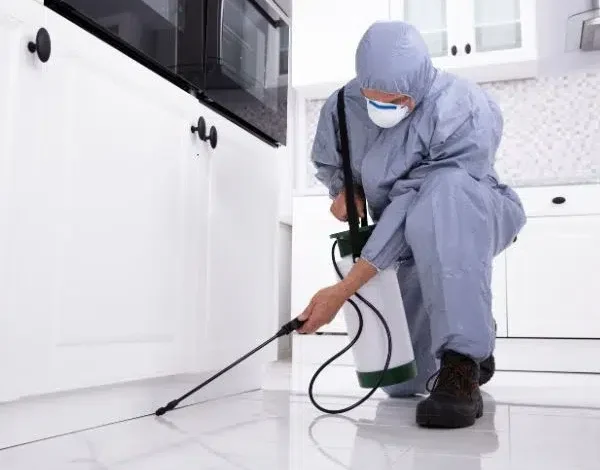
Consider professional help when activity continues after water sources and access points have been addressed. Useful warning signs include pests in several rooms, repeated rodent noises, fresh droppings, suspected termite indicators, active nests near living spaces, or insect trails that reappear after cleanup. An inspection can help determine whether the main issue is moisture, food, shelter, an exterior entry point, or a problem inside a wall or in an inaccessible area.
Common Mistakes to Avoid
- Spraying every insect on sight: Correct identification should come before treatment.
- Ignoring standing water: Surface sprays cannot solve a continuing moisture source.
- Blocking vents: Restricting airflow may worsen moisture problems.
- Using products off-label: Always follow the product label and use products only as directed.
- Sealing rodents inside: Entry repairs should be coordinated with appropriate removal measures.
A Simple Long-Term Prevention Plan
After every major storm, empty water-holding items, inspect screens, and look for new gaps. Once a month, review gutters, downspouts, garage corners, sheds, and foundation edges. Each season, trim vegetation, move stored materials, and check the attic or crawl space for signs of moisture or animal activity. Storms may reveal weak points, but steady maintenance gives Texas homeowners a practical first line of defense against pests throughout 2026 and beyond.
Conclusion
Texas storms can create conditions that encourage pests to move, seek shelter, or gather around homes, but timely maintenance can help reduce the risk of an infestation. After heavy rain, homeowners should remove standing water, clear clogged gutters, check drainage, and inspect the exterior for damaged screens, cracks, and other potential entry points. Keeping mulch, leaves, firewood, and stored materials away from the foundation can also reduce the damp hiding places that attract insects and rodents. Rather than relying on sprays alone, effective prevention focuses on correcting the conditions that allow pests to survive and return. Homeowners should monitor recurring sightings, droppings, damaged wood, and other warning signs, as these may indicate a problem that needs further investigation. When activity persists despite cleanup and repairs, a professional inspection can help identify the pest and determine an appropriate treatment plan. By combining post-storm checks with consistent seasonal maintenance, Texas homeowners can protect their property and reduce the likelihood of temporary pest activity becoming a long-term concern.